

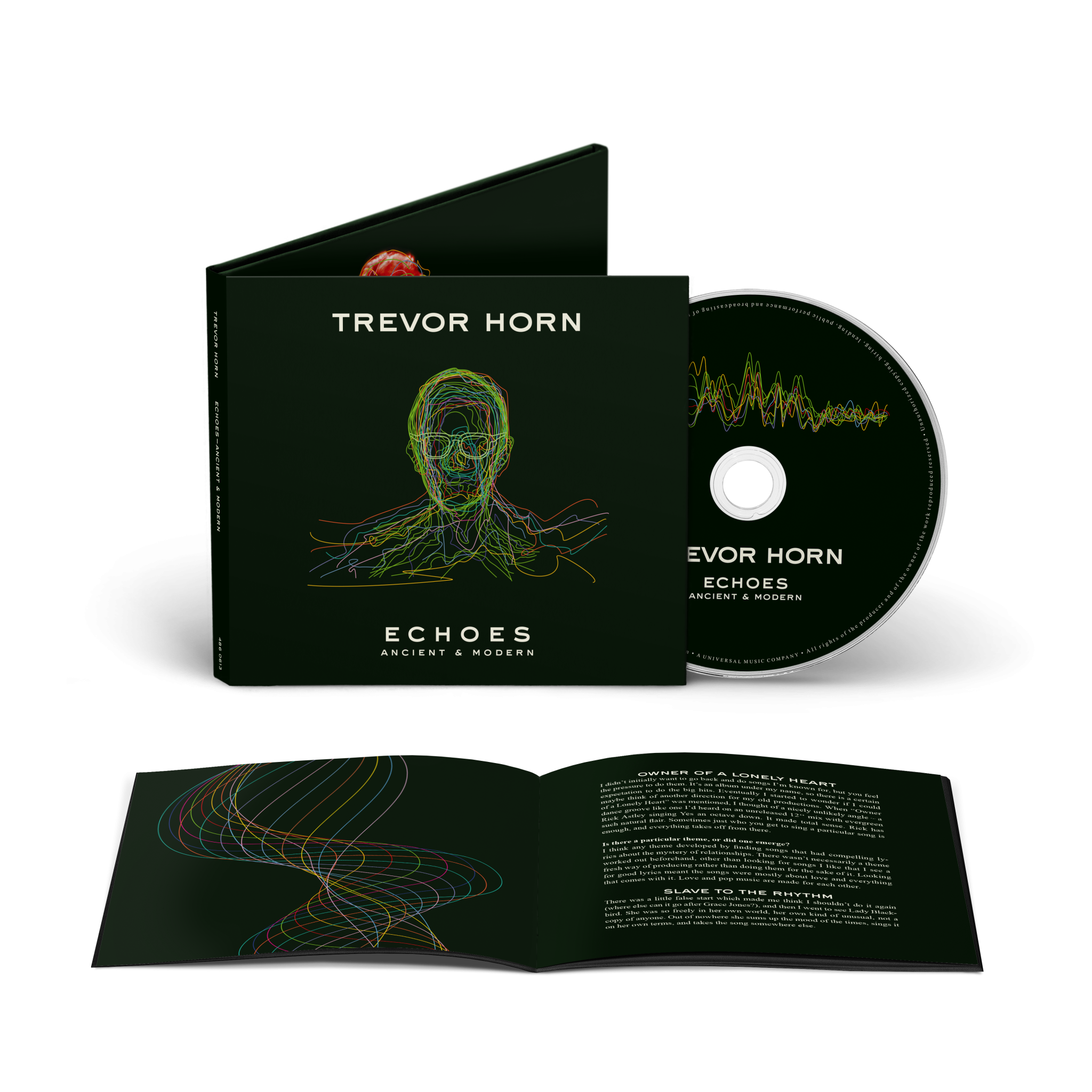

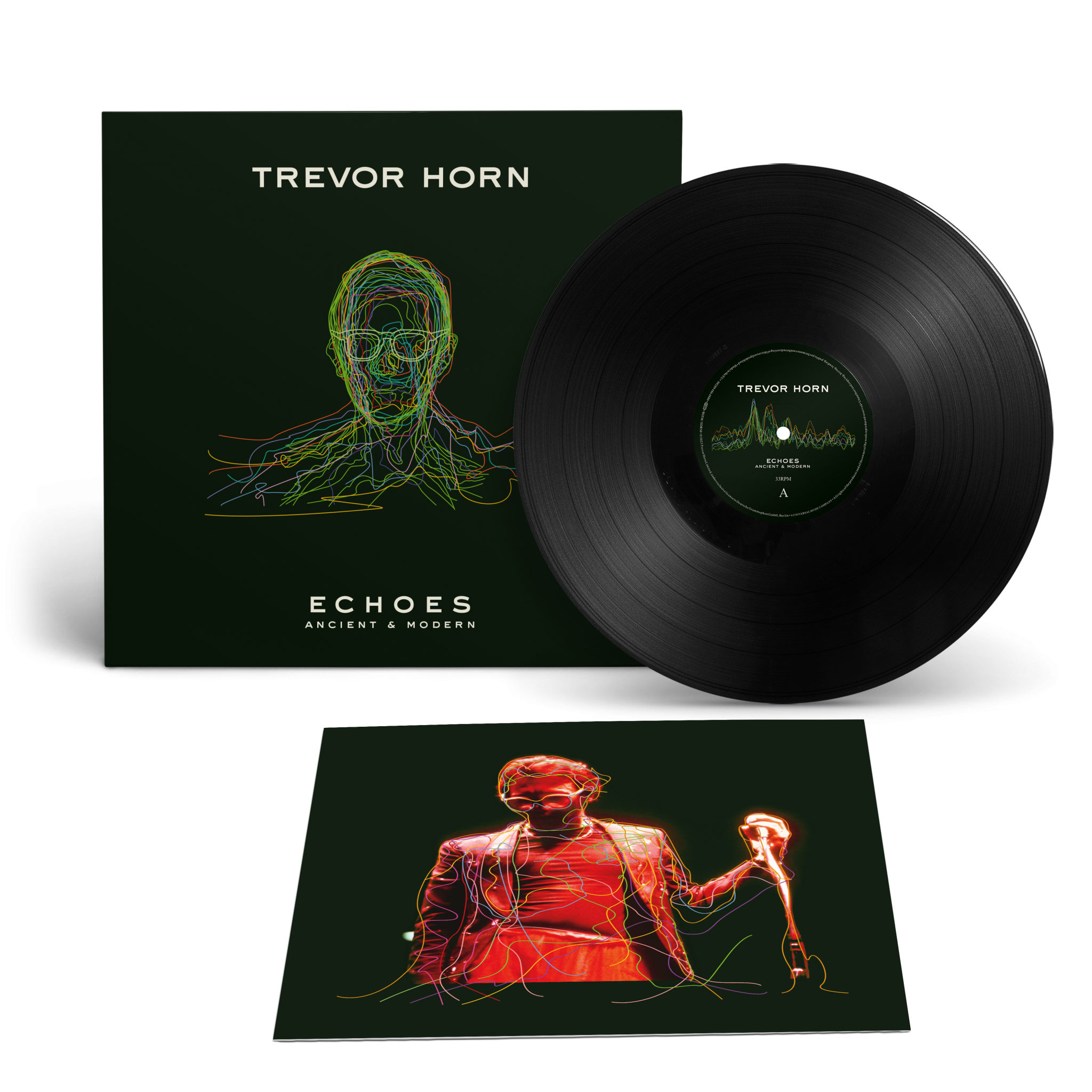
Das neue Album von Trevor Horn mit Rick Astley, Seal, Tori Amos, Marc Almond und vielen weiteren Gästen
Einflussreich, innovativ, eigenwillig – Produzent Trevor Horn gilt als Mann, der den Sound der Achtziger erfand. Für das neue Album “Echoes – Ancient & Modern” hat er elf legendäre Songs aus drei Dekaden ausgewählt und mit Starbesetzung die größten Hits neu aufgenommen.
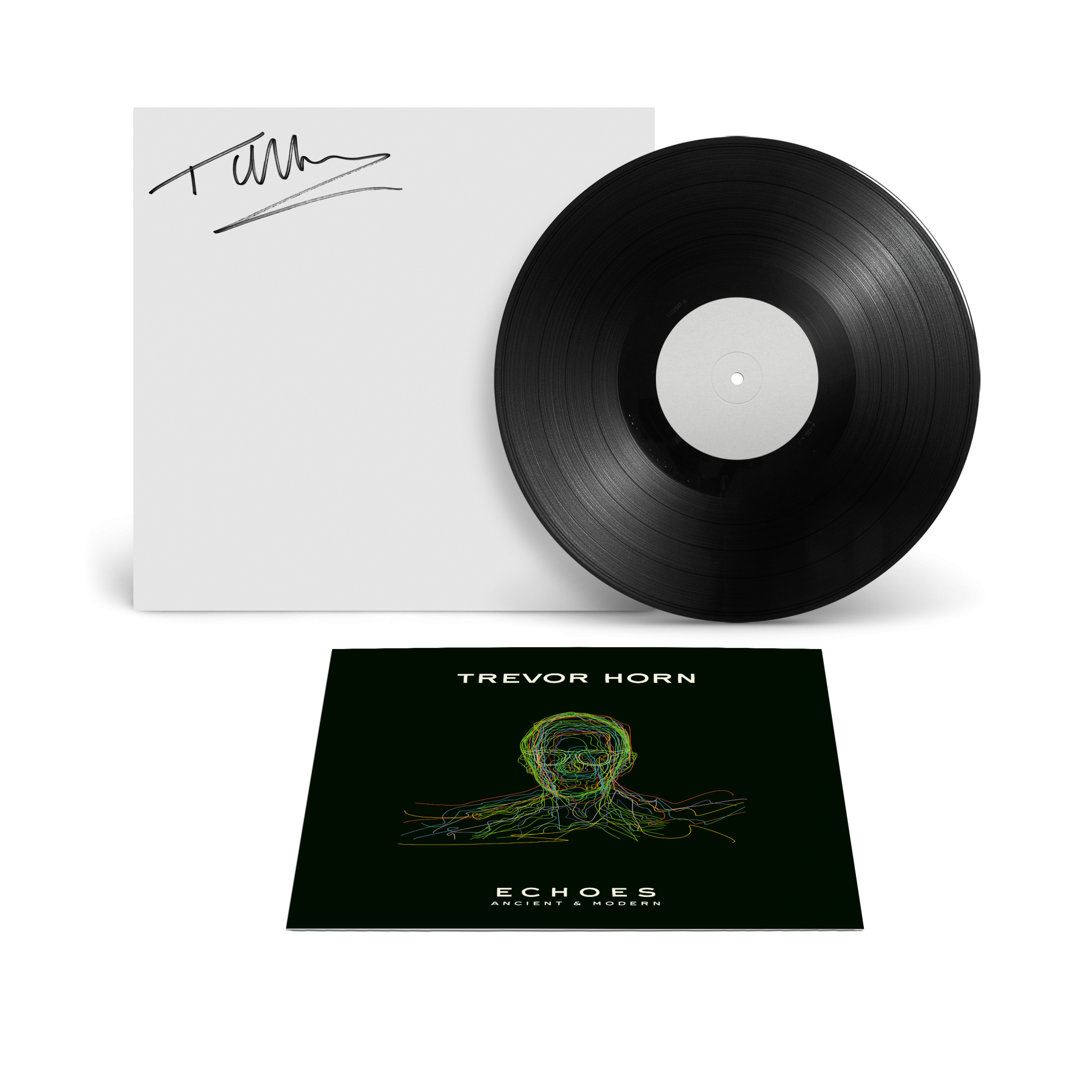
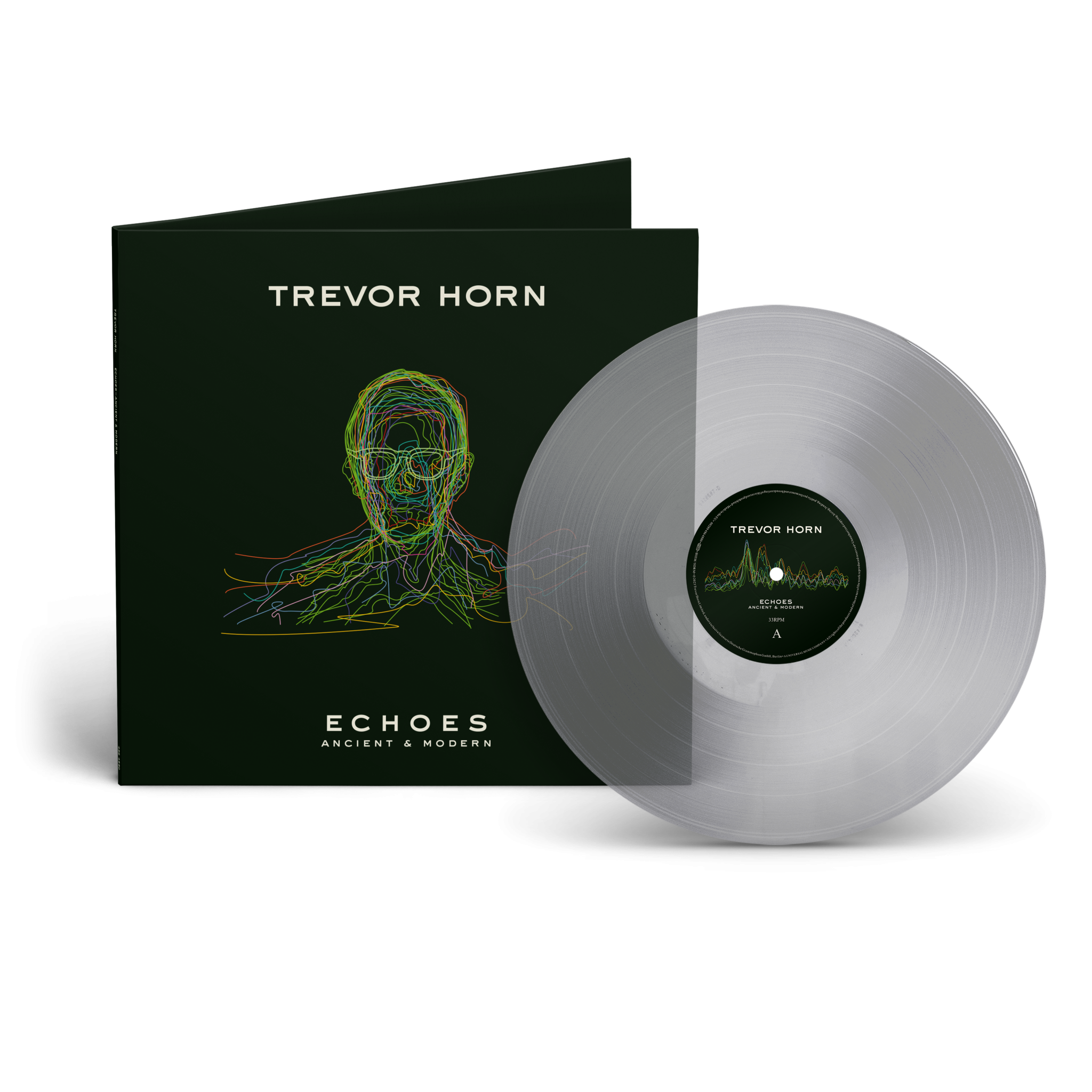
TRACKLIST
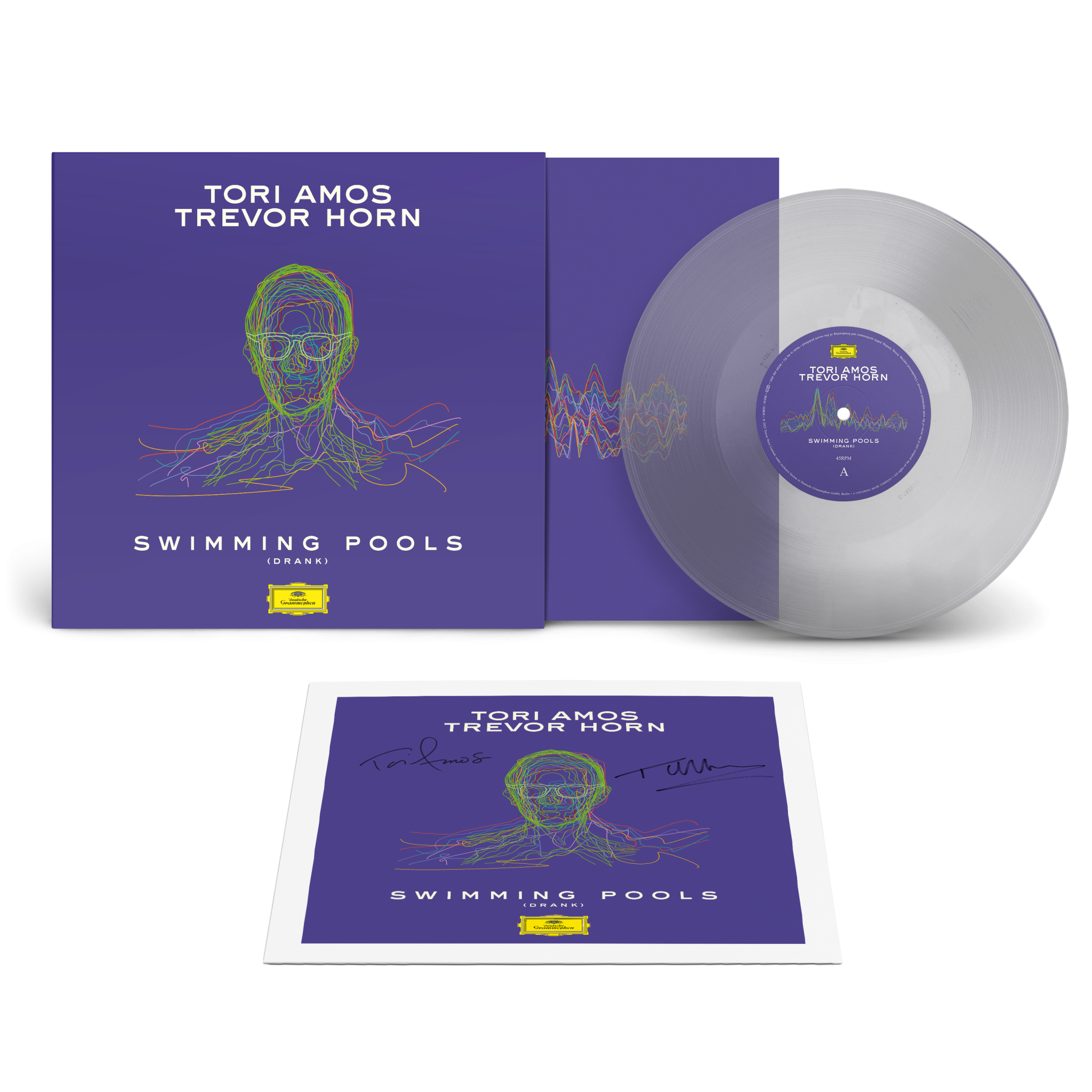
01 - Swimming Pools (Drank) (feat. Tori Amos)
02 - Steppin' Out (feat. Seal)
03 - Owner Of A Lonely Heart (feat. Rick Astley)
04 - Slave To The Rhythm (feat. Lady Blackbird)
05 - Love Is A Battlefield (feat. Marc Almond)
06 - Personal Jesus (feat. Iggy Pop)
07 - Drive (feat. Steve Hogarth)
08 - Relax (feat. Toyah Willcox & Robert Fripp)
09 - White Wedding (feat. Andrea Corr with Jack Lukeman)
10 - Smells Like Teen Spirit (feat. Jack Lukeman)
11 - Avalon

DAS NEUE ALBUM
Play
GÄSTE AUF DEM ALBUM
Auf Echoes – Ancient & Modern singt Horn selbst einen Roxy Music-Hit. Außerdem ist er Produzent von Marc Almond, Tori Amos, Rick Astley, Andrea Corr, Steve Hogarth, Lady Blackbird, Jack Lukeman, Iggy Pop, Seal und Toyah Willcox & Robert Fripp in Stücken, die einst von Pat Benatar, The Cars, Depeche Mode, Frankie Goes to Hollywood, Billy Idol, Joe Jackson, Grace Jones, Kendrick Lamar, Nirvana und Yes gesungen wurden.

Iggy Pop
Personal Jesus

Lady Blackbird
Slave To The Rhythm
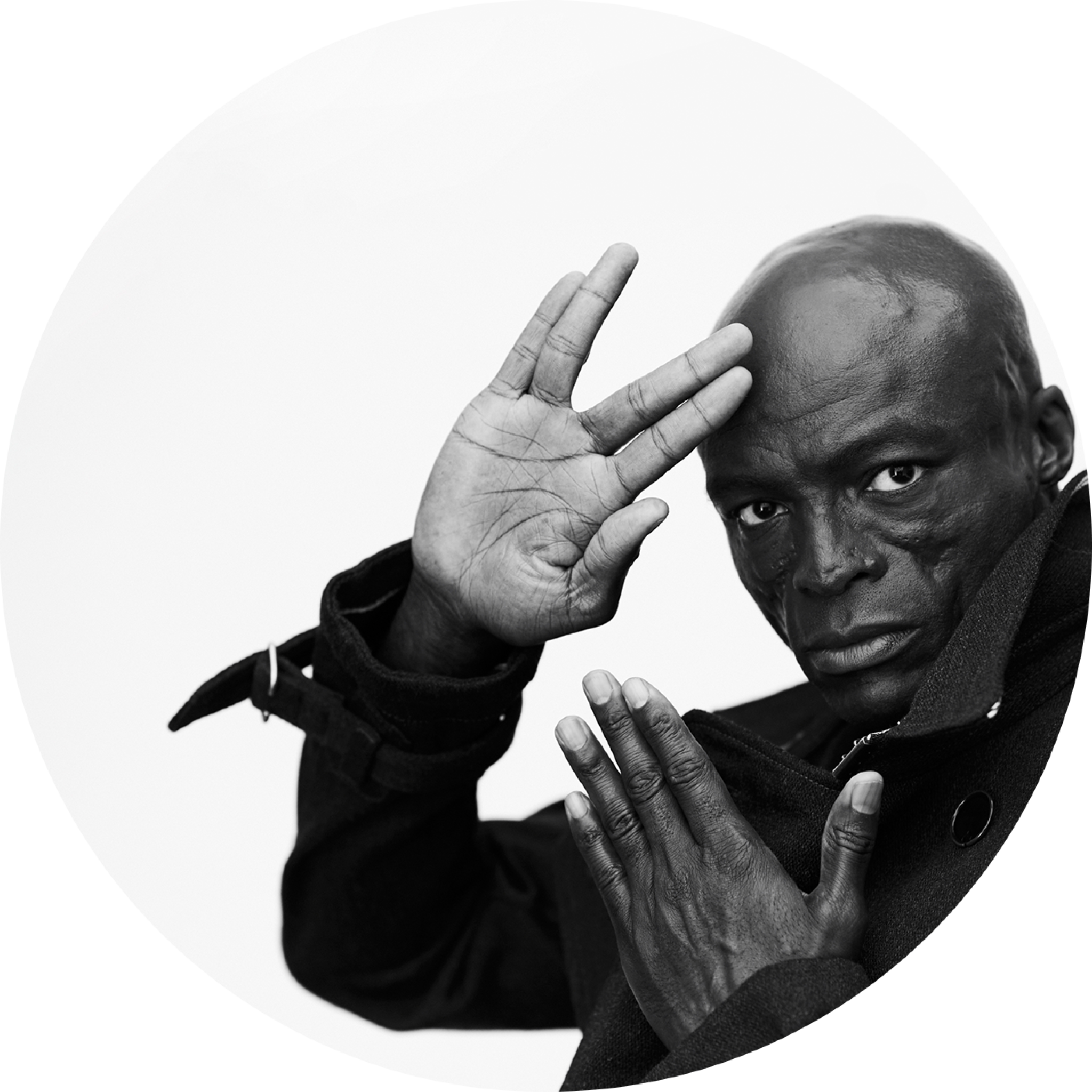
Seal
Steppin' Out

Marc Almond
Love Is A Battlefield

Rick Astley
Owner Of A Lonely Heart

Andrea Corr
White Wedding
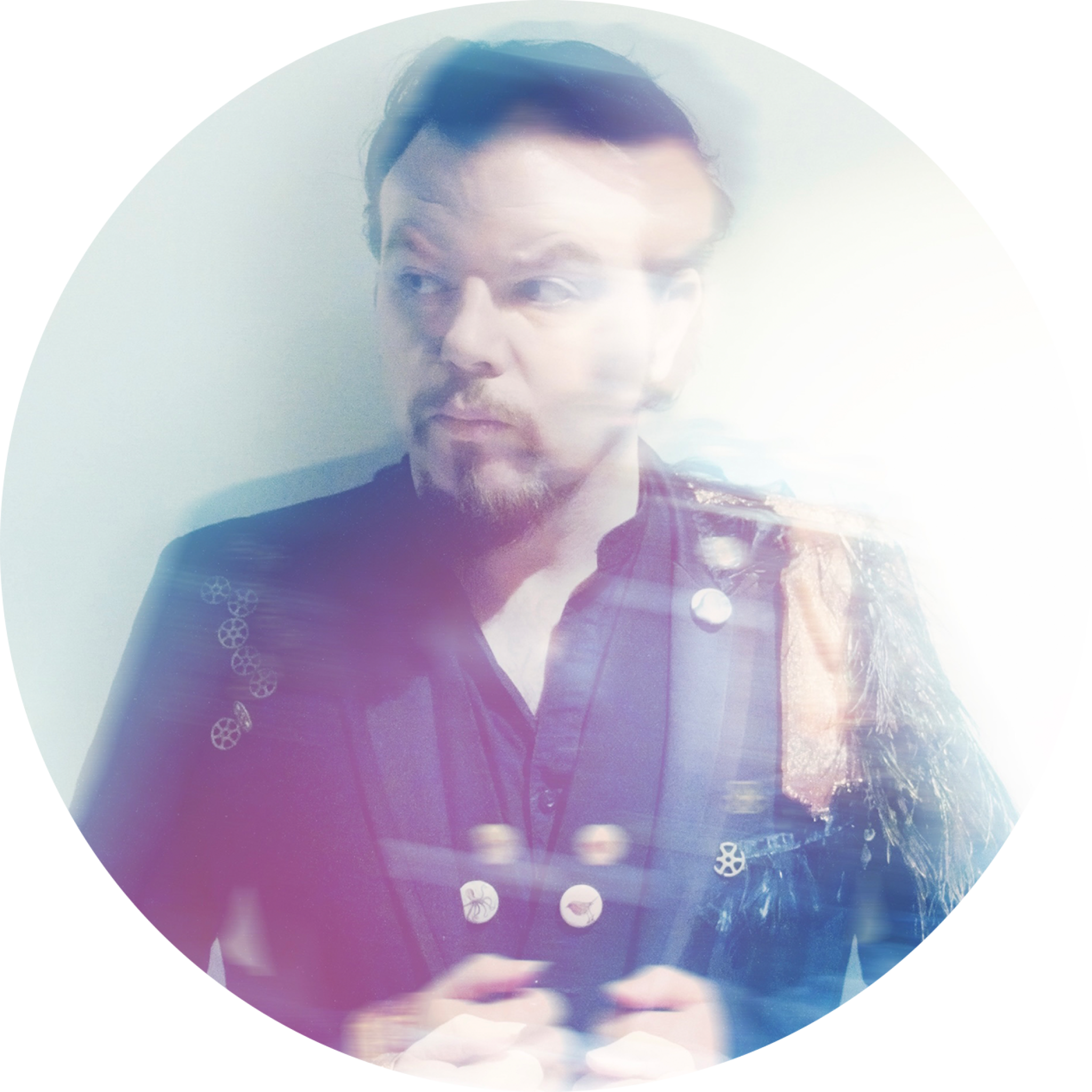
Jack Lukeman
Smells Like Teen Spirit, White Wedding


Tori Amos
Swimming Pools (Drank)
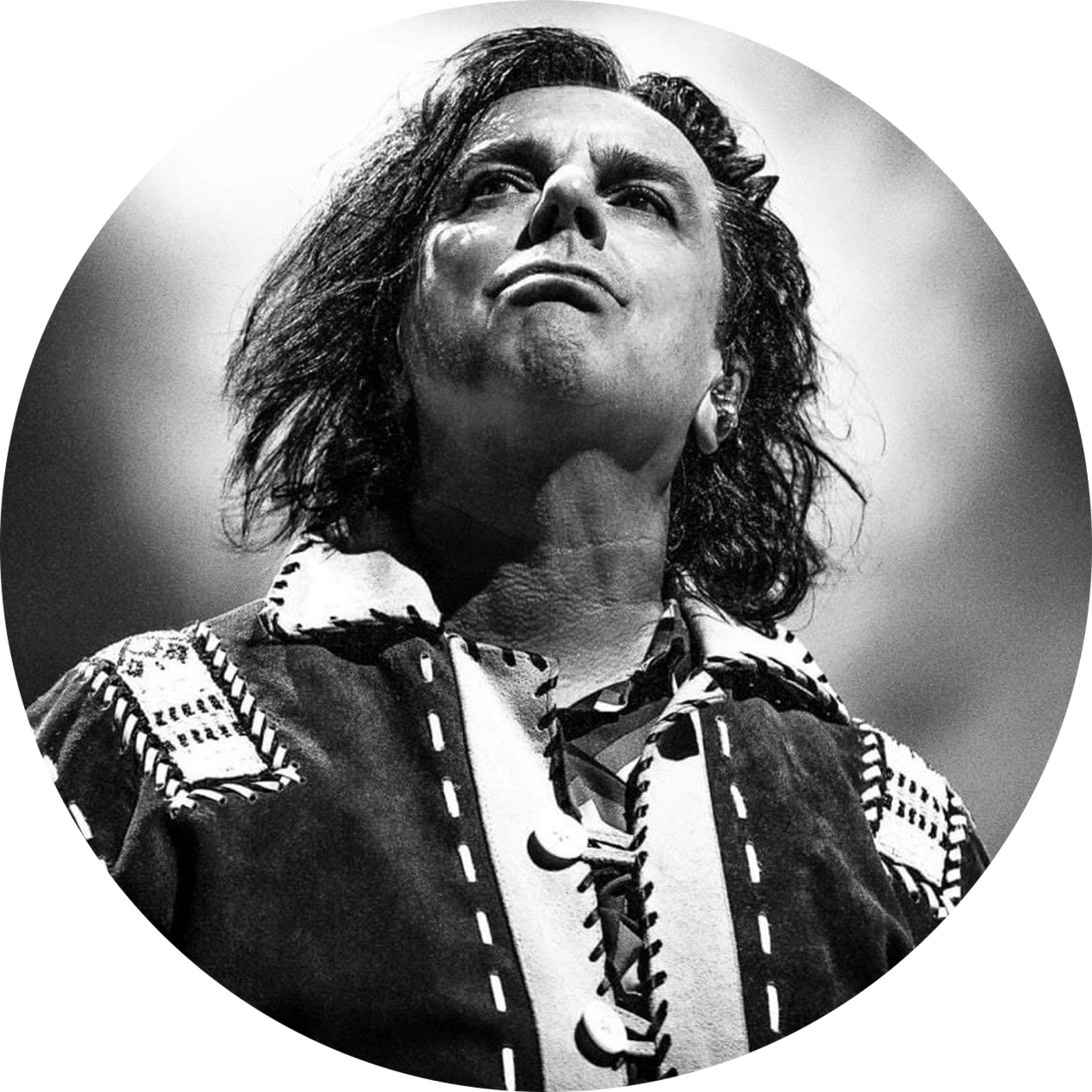
Steve Hogarth
Drive
DAS ALBUM STREAMEN
VIDEOS ZUM ALBUM
BIOGRAFIE
By the time Trevor Horn became a record producer in the late 1970s, ready to create one of the most distinctive, irresistible sonic signatures of the 1980s, he had, one way or another, accumulated the perfect credentials for a modern producer.
Born in 1949, he was the perfect teen age to become a Beatles fanatic in the early 1960s, and be taken over by music. In his late teens, after following his bass-playing father into dance bands, he was busking as a Bob Dylan impersonator, and by 19, realising a day job was not for him, began a life as a professional musician. His ability to sight-read as a bassist meant he was much in demand for both live and session work, and while working in recording studios he developed a love for that environment, as well as the rapidly evolving technology and what you could do with it. Recording gradually replaced constant touring as his main ambition, although it took time before he understood that what he wanted to be was a producer.
Whilst living in Leicester and too poor to rent local studios to experiment with production, he built his own relatively sophisticated 8-track studio with a friend. In an effort to attract business he recorded demos for local musicians, and created a football song for Leicester City. It was pointed out to him that he was producing, and it seemed to suit his temperament – working with musicians, equipment, songs, gathering everything together, machines and personnel, and working out how to make a record. If possible, a great one.
He gained further necessary experience of music and the music industry when he was promoted from background bass-playing work with 1970s chart-topping disco queen Tina Charles, Britain’s Gloria Gaynor, to become her musical director. This led to meeting equally future-minded musicians, including Hans Zimmer and Thomas Dolby, and in the late 1970s he formed the Buggles with Geoff Downes – frustrated with working for other artists, Horn and Downes with Zimmer and another musical traveller Bruce Woolley decided to become the artists themselves. They invented their idea of an ideal pop group from the future, the Buggles, a slight distortion of the name of Horn’s first favourite band, the Beatles.
Years of experience on the road and constant trial and error in recording studios and using electronics fed into their painstakingly assembled and prescient first hit, “Video Killed the Radio Star”. The song, already demonstrating the technological ambition and perfectionism Horn would become known for, was inspired by a J.G. Ballard story published in 1960, The Sound-Sweep, which imagined an opera singer overtaken by musical advances and living in a desolate recording studio. It was the first UK number one single for Chris Blackwell’s iconic record label Island, and created its own history – its own future – by becoming the first video played on MTV, in August 1981, as it opened up a new world of pop.
A brief, troubled alliance with prog-rock royalty Yes and the lack of a follow-up to the dramatic success of the debut Buggles single motivated Horn’s return to production. He transformed the light pop duo Dollar by imagining them as an off-shoot of Kraftwerk, and his trailblazing work with Sex Pistols manager and cultural conquistador Malcolm McLaren on Duck Rock, blending proto-hip hop, early sampling and deviant world music, was a conceptual partner to Brian Eno and David Byrne’s My Life in the Bush of Ghosts.
His hyper-glamorous hi-tech production of Sheffield pop stylists ABC’s debut album The Lexicon of Love in 1982 established Trevor Horn as the most in-demand producer of the time, uniquely able to combine state-of-the-art electronics, live instruments, orchestral arrangements, dance rhythms and the new art of sampling.
Always keen on world-building, and imagining possibly impossible pop fantasies, Horn – together with his manager/wife Jill Sinclair – took over Chris Blackwell’s famous Island Studios in West London, responsible for classic records by Bob Marley, Free, Led Zeppelin, The Rolling Stones and Roxy Music. Rebranded as Sarm, it also became the home of the innovative record label Zang Tuum Tumb, and the playground of a classically futuristic house band, Art of Noise, using musicians, arrangers, engineers and technicians Horn had used on the ABC and McLaren albums. It was also the favoured studio of the likes of George Michael and the Pet Shop Boys.
The relentless perfectionist Trevor Horn and ZTT became a sensation-generating hit machine in 1984, with a record-breaking series of multi-million-selling records by Frankie Goes To Hollywood, including the notorious “Relax” and the apocalyptic pop epic “Two Tribes”.
With the post-modern musique concrète of Art of Noise and the dark pop hits of Germany’s “Abba from hell”, Propaganda, the label had ground-breaking singles in the Top 30 every week in 1984, and Horn also returned to Yes, as producer, using Art of Noise sounds to create a new kind of prog-tech sound and an unlikely American number one, “Owner of a Lonely Heart”.
One of Horn and ZTT’s most sublime achievements combining technology and spirit was “Slave to the Rhythm”, built around the primal Grace Jones, with Horn using musicians, studio technicians and other collaborators he had worked with from Buggles to ZTT. It confirmed him as extreme master of the record studio, with an unparalleled talent for getting the very best out of studio, song and singer.
Horn’s inspired, long-term partnership with Seal, which began in the 1990s on the ZTT label with the strange, beguiling swing of “Crazy”, is the ultimate demonstration of his commitment to making great records by combining immense attention to detail with creating the circumstances for exceptional vocal performances. It’s why singers such as Godley and Creme, Rod Stewart, Tina Turner, Tom Jones, Robbie Williams and John Legend – and, underlining his love of embracing the unorthodox, Stuart Murdoch of Belle and Sebastian – have worked with him over the past decades, delivering some of their finest vocal performances.
In his fifth decade as producer, it’s this continuing, unstoppable fascination with the mysteries of studio, song and singer that has led to Echoes – Ancient and Modern, Horn still investigating what a great pop song is, and how it’s made up in the studio, still searching for secrets and insights as enthusiastically as he did in his home-made Leicester studio 50 years ago. He’s still working out what it is about singers that excites him.
“I love listening to people sing. I love recording singers and helping them sound as good as they can. It’s why I’ve been doing this for so long and still want to do it. It makes me feel useful. For me, the best way you can make a track sound better is by making the vocal better. The instruments will take care of themselves, but taking time over the vocals, you can make a song really unique. It all starts and finishes there.”
Echoes is a follow-up to 2019’s Trevor Horn Reimagines the Eighties, expressing the producer’s love for the pop song by producing pop songs he loves, and creating a beguiling mix of styles and sounds with singers he has collaborated with before – Seal, Tori Amos, Marc Almond, Marillion’s Steve Hogarth, Billy Idol – as well as some he hasn’t – Iggy Pop, Rick Astley, Lady Blackbird, Toyah Wilcox.
“I haven’t given up producing other people’s records but it’s just hard finding something that’s worth putting in the effort that I used to. It’s a different time, and I’m at a different stage of my life. It’s an album by me, as a kind of auteur, but it features different performers. I’m the artist commissioning other artists rather than them hiring me. Making this album gave me problems to obsess about without having to get entangled in a complicated time-consuming project where I am responsible for someone else’s career. I still want to get obsessed over a voice, a song, a production, a mix, but not to the extent I used to when there was more at stake.”
The album presents the Trevor Horn sound, developed over time, as it is now.
“The early idea was to be less orchestral than Reimagines, much more minimal. In the end I realised I don’t like stripped-down cover versions, they can seem too obvious and formulaic. If you did each of these songs in a similar minimal way, despite their differences, it would just seem like a gimmick, especially coming from me. It’s just not who I am. I was more interested in finding something new in songs that are mostly very familiar. I have a reputation for going over the top but always I think in the service of the song. Sometimes you have to go over the top to get a song to lift off and become magical. It’s what the recording studio’s for.”
He also returns to a trio of his production “greatest hits”, looking again at “Relax”, “Slave to the Rhythm” and “Owner of a Lonely Heart” now that they’re so distant he doesn’t feel as emotionally entangled as he once did.
“I didn’t initially want to go back and do songs I’m known for, but you feel the pressure to do them. It’s an album under my name, so there is a certain expectation to do the big hits. Eventually I started to wonder if I could maybe think of another direction for my old productions. ‘Relax’ almost killed me the first time I made it; I was so committed to making something unique. This time I knew when to stop. The job was simply to create another pop fantasy, as part of what becomes a kind of abstract song cycle. I have nothing to prove now like I did back in the early 1980s.”
As an echo of when Horn formed the Buggles because he didn’t always want to only produce other acts, he shows at the end of the record that he’s a producer that sings, and was therefore the singer that produced.
“I joke that I sing ‘Avalon’ because we ran out of money and I’m cheap. But it’s more than that. I work with other people all of the time, I need the other people, but there is always something personal in the records I produce. On ‘Avalon’, there are other things going on apart from the romance of pop that Bryan Ferry was so good at communicating, the romance of pop I am wanting to celebrate. There are memories from my own life, love and loss, a wistful imagining of how great it would have been if I was as cool a front man as Ferry. It’s like the end of the show. Here I am. The producer, the band leader, but also the dreamer, the performer. Signing off. For now.
Thanks for listening.”
